mail: editorinchief@sikhanthology.com

Women in Sikh Spiritual Leadership: Missed Voices?

Women have long shaped Sikh spiritual life with courage, wisdom, and devotion, yet their contributions are often overlooked. Sikhism was founded on the principle of equality, but women’s presence in formal religious leadership remains limited. This piece reflects on their historical roles, spiritual authority, and the realities they face today, asking why their voices still go unheard in Sikh narratives.
Historical Roots of Women in Sikh Spiritual Leadership
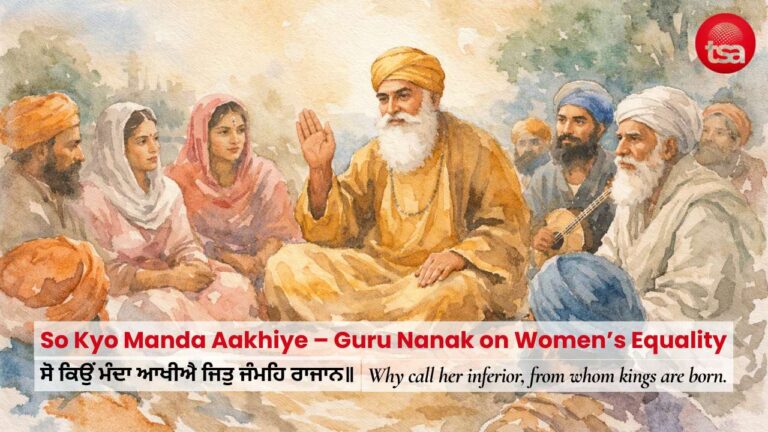
From the time of Guru Nanak Dev Ji, Sikh teachings upheld gender equality. Figures like Mata Tripta, his mother, and Bibi Nanaki, his sister, played crucial roles in nurturing the faith. The Gurus openly challenged oppressive practices such as sati and purdah, affirming women’s equal place before God and in society.
Throughout Sikh history, women demonstrated spiritual and leadership strength. Mata Bhani, closely tied to two Gurus, and Mai Bhago, the warrior-saint who led soldiers into battle with Guru Gobind Singh Ji, embodied both devotion and valor. Mata Gujri, mother of Guru Gobind Singh, stood as a source of faith and resilience in times of turmoil.
Mata Sahib Kaur, honored as the “Mother of the Khalsa,” represented the spiritual heart of the Khalsa order, while Maharani Jind Kaur fiercely defended Sikh sovereignty against colonial power. Their lives show how women have guided not just faith, but also community and political leadership.
Sikh Teachings on Gender Equality
Sikh scripture makes clear that spiritual capacity is not bound by gender. The Gurus taught that the divine essence transcends distinctions of male and female, affirming women’s equal ability to lead, teach, and connect with God.
Women were historically appointed as missionaries by Guru Amar Das Ji, spreading Sikh teachings far and wide. The very title “Kaur,” carried by all Sikh women, stands as a marker of dignity and equality. Feminine imagery also runs through Sikh liturgy, with concepts like Bani (divine word) and Joti (divine light) affirming the sacred feminine within spirituality.
Women in Sikh Leadership Today
Despite these foundations, formal leadership roles for women in Sikh institutions remain rare. Gurdwara management and decision-making bodies are still dominated by men.
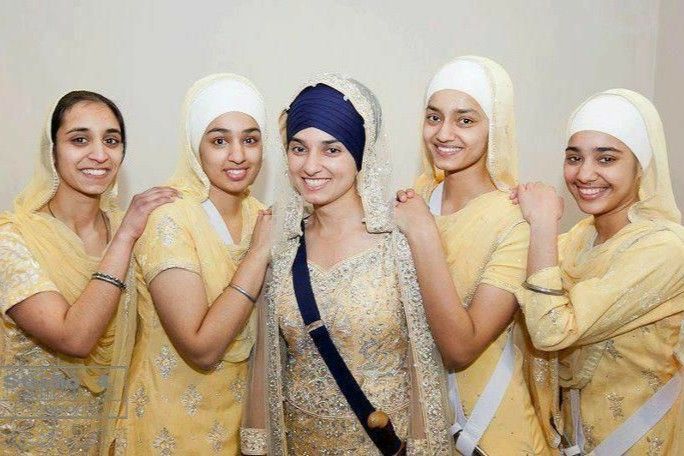
Beyond institutions, many Sikh women continue to lead in other ways: through community service, education, and spiritual guidance within organizations and interfaith initiatives. They carry forward the legacies of their foremothers, reclaiming spaces where their presence has too often been denied.
Why Do Women’s Voices Remain Overlooked?
The gap between Sikh teachings and practice stems largely from entrenched cultural and patriarchal norms. While doctrine affirms equality, societal expectations and conservative attitudes still limit women’s roles in visible leadership.
Educational barriers and social pressures further restrict opportunities. As a result, many women’s contributions live on only in oral histories or local memory rather than in mainstream Sikh discourse.
Moving Forward
To realize the egalitarian spirit of Sikhism, communities can take deliberate steps:
- Encourage women’s leadership in Gurdwaras and institutions.
- Recognize and record the contributions of Sikh women, past and present.
- Create platforms for women to teach, preach, and guide spiritually.
- Challenge cultural practices that restrict their participation.
Sikhism calls for every voice to be heard. Honoring and amplifying women’s voices is not only a matter of justice but also a way to enrich the spiritual life of the community.

Associate Editor at The Sikh Anthology Blog, contributing to content development, editorial refinement, and original writing aligned with the publication’s vision.