mail: editorinchief@sikhanthology.com

Partition Memory: Sikh Voices from 1947

The Partition of India in 1947 was more than a political division, it was a human tragedy that uprooted millions and altered lives forever. Among those most deeply scarred were the Sikhs, whose memories of the time offer raw and moving accounts of resilience, loss, and survival. This piece revisits Sikh voices from Partition, blending personal testimonies with historical context to shed light on their experience during one of the largest migrations in modern history.
The Historical Context of Partition and Sikhs
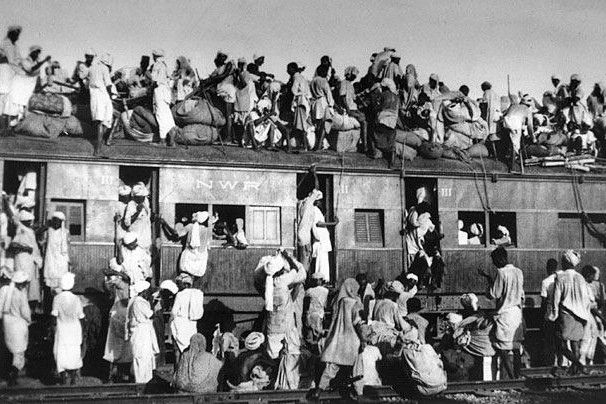
In August 1947, British India was divided into India and Pakistan along religious lines. Punjab, the heartland of the Sikh community, was split in two. The consequences were devastating. Sikhs in what became Pakistani Punjab were forced from their homes, stripped of ancestral lands, and separated from sacred sites. Centuries of coexistence among Sikhs, Muslims, and Hindus crumbled almost overnight.
The Radcliffe Line, hastily drawn and poorly implemented, unleashed chaos across the subcontinent. Between 12 and 20 million people were displaced, and nearly a million perished in massacres, abductions, and communal violence. Sikhs bore heavy losses, fleeing their villages in fear while witnessing unspeakable brutality.
Sikh Voices and Oral Histories: Bearing Witness
It is only in recent decades that survivor memories have been systematically preserved. Oral histories reveal harrowing realities, families sacrificing children to protect honor, women choosing death over capture, and entire villages wiped out in the frenzy.
Many Sikh survivors recall leaving everything behind except their faith and sacred scripture, the Guru Granth Sahib. These accounts underscore the enormity of what was lost, not just homes and possessions, but cultural landmarks, community ties, and spiritual roots deeply embedded in ancestral Punjab.
Projects like the 1947 Partition Archive are working to safeguard these memories, bridging the gap between official history and lived experience. By centering personal narratives, these efforts challenge simplified political accounts and highlight the resilience and complexity of communities caught in Partition’s upheaval.
The Lasting Impact on Sikh Identity and Diaspora
Partition left an indelible mark on Sikh identity. The loss of historic gurdwaras and ancestral homelands forced Sikhs to rebuild their lives in India and across the world. The trauma of displacement continues to echo through generations, shaping collective memory and fueling cultural preservation within the Sikh diaspora.
Yet these memories are not solely of pain. Survivors also recall moments of humanity, neighbours of different faiths shielding one another from violence, acts of compassion that cut through the chaos. Such stories of survival and hope remind us of the shared bonds that endured despite Partition’s brutality. Still, the scars of 1947 remain, influencing Sikh political consciousness and their ongoing efforts to protect heritage and identity.
Why Preserving Sikh Partition Memories Matters
The testimonies of Sikh survivors are vital to understanding Partition’s human cost. They reveal the consequences of hurried political decisions and the resilience of communities forced to rebuild from nothing. As living witnesses grow fewer, preserving their stories, through oral history, literature, art, and digital archives, becomes ever more urgent.
Remembering 1947 through Sikh voices allows us to see Partition in its full dimension. It honors those who endured loss while celebrating their determination to create vibrant new communities. These memories remain a testament not only to suffering but also to survival, forgiveness, and the enduring strength of identity.

Associate Editor at The Sikh Anthology Blog, contributing to content development, editorial refinement, and original writing aligned with the publication’s vision.