mail: editorinchief@sikhanthology.com

Community Leadership: Beyond Gurdwara Politics

When conversations about Sikh leadership come up today, they often circle back to gurdwara committees—elections, disputes, and questions of control. Gurdwaras are, without doubt, the heart of Sikh spiritual and social life. But reducing leadership to committee politics alone risks shrinking the Gurus’ far-reaching vision—a vision rooted in seva (selfless service), justice, and the building of an egalitarian society.
How Leadership Became Narrow
Over time, community leadership has been equated almost entirely with gurdwara management. The consequences are clear: younger generations feel alienated, seeing little beyond quarrels and bureaucracy. For many, “leadership” comes to mean infighting rather than service, creativity, or progress—leaving the Panth without a strong pipeline of future leaders.
Sikh Leadership Has Always Been Broader
Historically, Sikh leadership has never been confined to institutional power. Banda Singh Bahadur, Mata Khivi, and Bhai Kanhaiya embodied seva through education, economic justice, healthcare, and humanitarian relief. The Singh Sabha movement and the Akali Dal in later centuries also demonstrated how Sikh vision could energize society well beyond the walls of the gurdwara.
This history offers a reminder: real leadership is about service and justice, not titles or positions.
What Sikh Leadership Can Look Like Today
In our time, leadership could take many forms:
- Education – Schools, mentorship programs, and research initiatives that strengthen communities.
- Social action – Tackling issues like addiction, unemployment, and domestic violence.
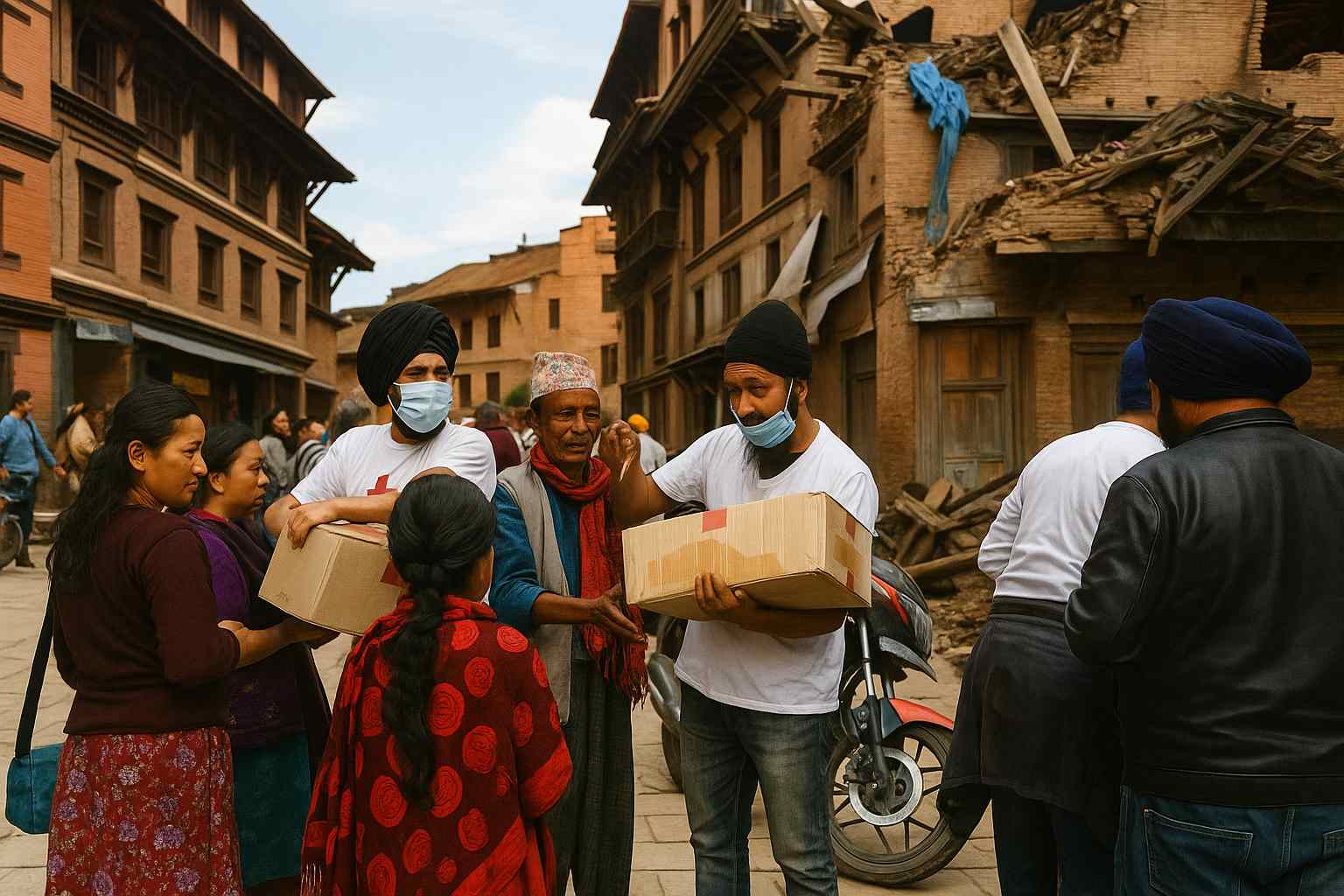
- Humanitarianism – Extending langar to wider society, including global crisis zones.
- Cultural preservation – Using digital platforms to share Sikh history, language, and art with the next generation.
- Thought leadership – Contributing Sikh voices to public debates, publishing, and interfaith dialogue.
Towards a New Model
The future of Sikh leadership depends on moving beyond committee rivalries and toward collaboration, seva, and innovation. True leaders aren’t those who control institutions, but those who transform lives, spark creativity, and bring people together.
Educators, entrepreneurs, artists, healthcare workers, and activists—anyone serving with integrity—can help lead the Panth forward. Leadership is not a title; it is an act.
Conclusion
At its core, Sikh leadership is about nurturing people, ideas, and values for the good of all. By shifting focus from gurdwara politics to a wider vision of seva and global responsibility, the community can better embody the Gurus’ ideals and set an example of ethical, compassionate action for the world.

Associate Editor at The Sikh Anthology Blog, contributing to content development, editorial refinement, and original writing aligned with the publication’s vision.